Five ways Medicine by Design is transforming the treatment of brain diseases
Medicine by Design-funded researchers are leading the way in ground-breaking neurological research
Medicine by Design-funded researchers are leading the way in ground-breaking neurological research
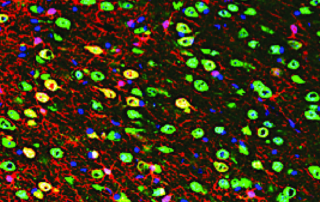
A Medicine by Design team is working on reprogramming brain cells — a strategy that has demonstrated brain repair in animal models of stroke. "Think of it as a bespoke strategy for brain repair,” says Maryam Faiz, one of the team's researchers. Read more.
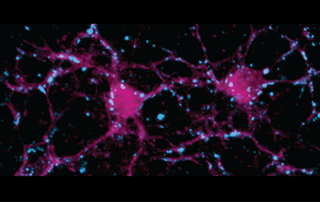
Stem cells can repair tissues and organs damaged by acute injury, genetic disease or the aging process. Freda Miller leads a team that is tackling the question of how to activate stem cells to repair the brain on demand. Read more.
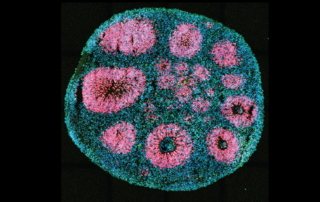
A Medicine by Design team lead by Jeff Wrana aims to use organoids to gain unique insights into the human-specific aspects of signaling networks associated with conditions such as autism. Read more.
A project led by Cindi Morshead is investigating electrical stimulation's promise for neural repair through promoting neuroplasticity and facilitating neural regeneration. Read more.
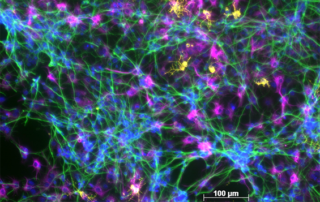
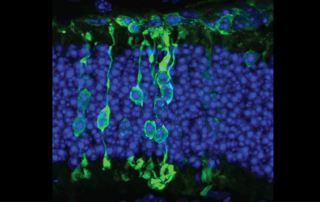
An interdisciplinary team of scientists led by Molly Shoichet is working on a ground-breaking research project to restore vision using retinal stem cells. Read more.
New technology allows researchers to watch single cell behaviour at scale
The eight-day intensive program at the University of Toronto hosted PhD students and post-doctoral fellows from around the world.
The program began in 2016 and is run by Medicine by Design in partnership with CCRM, Rotman School of Management and the Stem Cell Network
Program is a partnership with the Research Application Support Initiative at the Temerty Faculty of Medicine and funds the student positions at $10k each
Medicine by Design-funded researchers are leading the way in ground-breaking diabetes research
Seven new projects will focus on equity, commercialization policy, new regenerative medicine applications and more
"I think we’re at an important inflection point in fibroblast research. Now, with the work of many people, there is a possibility that we will be able to develop therapeutics to fight cancers and fibrosis."
Cutting-edge neural reprogramming strategy could transform the future of MS treatment
Cristina Nostro, senior scientist at McEwen Stem Cell Institute, UHN, is a pioneer in developing insulin-producing cells as a cell therapy. She collaborates with UHN’s Sara Nunes Vasconcelos, a senior scientist who’s a vasculature, or blood vessel, expert. Together, they are developing a cell therapy for type 1 diabetes. Read more.