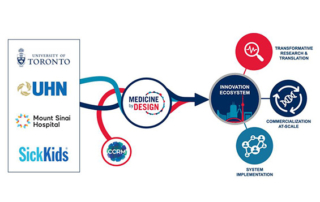
Medicine by Design announces new strategic plan to advance regenerative medicine and transform healthcare globally
Community collaboration drove the new commitments in bold five-year plan
Community collaboration drove the new commitments in bold five-year plan
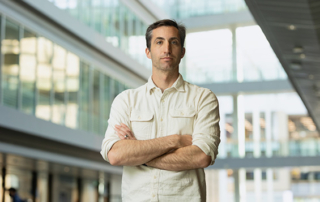
Matthew Buechler recently joined the Department of Immunology as an assistant professor.
"This is a very exciting time for regenerative medicine. We can make all sorts of cell types from stem cells and potentially use these cells for cell replacement therapy or use them to understand diseases or find new therapies."
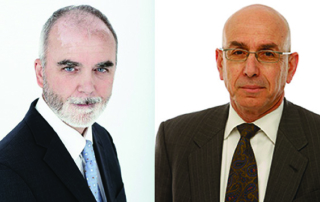
Two new advisors with decades of industry experience join the program as advisors.
The Leap into the Future series looks at emerging areas or aspects of regenerative medicine.
Strategic partnership focuses on training the next generation of leaders, scientists and entrepreneurs.
The conference brought together entrepreneurs, academics, investors and policymakers.
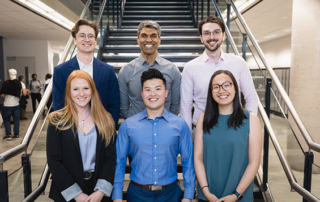
Research grants awarded to products that could impact cancer and rare genetic diseases.
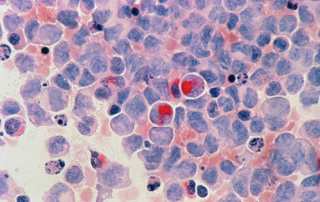
Research reveals a potential way to tailor acute myeloid leukemia (AML) therapies to individual patients.
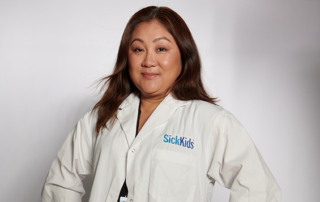
“In my lab, we approach regenerative and preventative medicine from a genetic angle. Our goal is to help people's own cells repair damage and prevent disease.”
Trainee-led teams will pitch their ideas in front of expert judges for the chance to receive one of two research funding grants.
The Medicine by Design-funded researchers awarded come from disciplines that include stem cell biology, neuroscience and biomedical engineering.
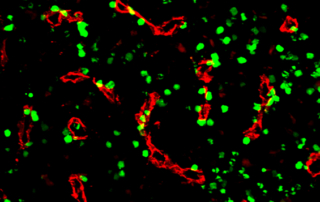
New research sheds light on the role of monocytes.
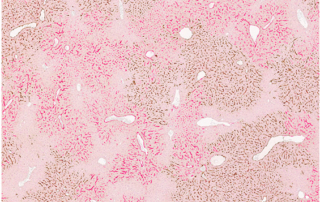
New research is a step forward to cell therapies for liver disease
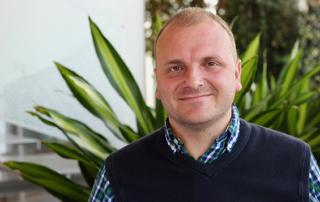
“It’s an incredibly exciting time in regenerative medicine. There are a few hurdles in the way to achieving what we want, but I believe great things that will have a positive impact on society are absolutely possible.”